
Meal Prep
Air Fryer Meal Prep: What Actually Works
Your air fryer meal prep keeps coming out soggy in the middle and dry on the edges, and it's not the recipe's fault. It's almost always the basket, the preheat, or reheating something that was never meant to go in there. Here's what the times, temps, and batch sizes actually need to be.
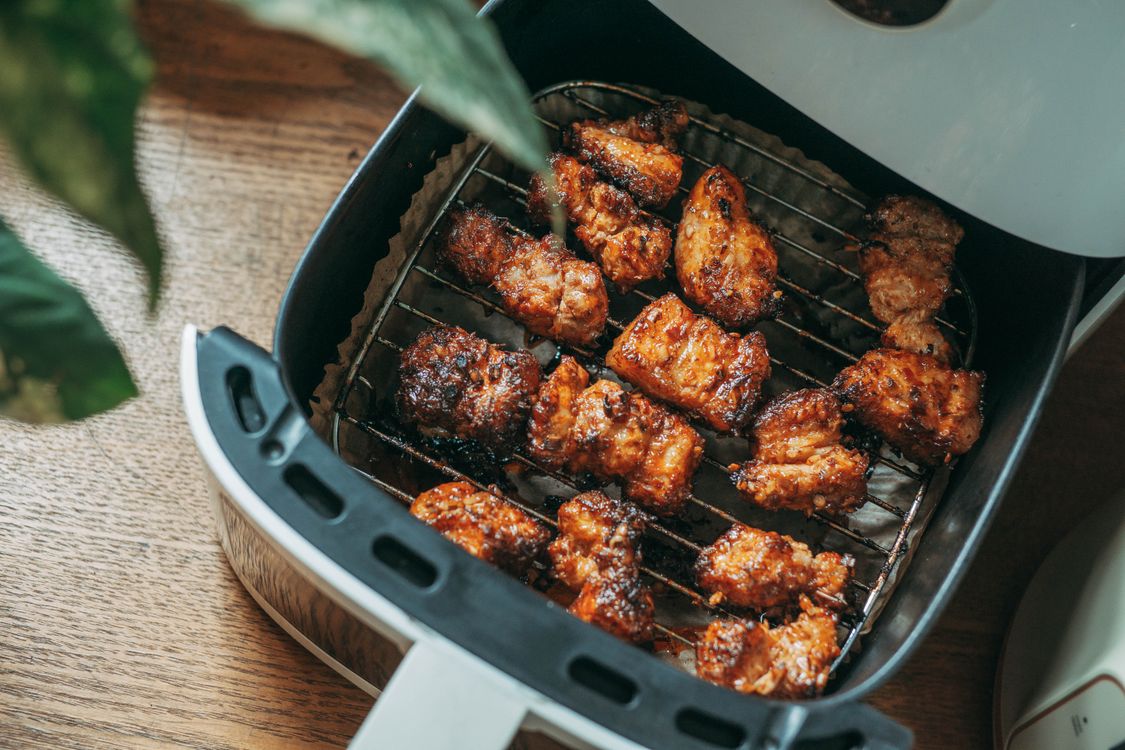
Photo: Pexels
The one mistake that ruins almost every air fryer batch
If your air fryer meal prep keeps coming out pale, soggy, or unevenly cooked, it's almost never the recipe. It's the basket. Packing it full feels efficient — one load instead of three — but a crowded basket traps the steam that each piece of food releases as it cooks. That steam has nowhere to go, so instead of crisping, everything sits in its own humidity and softens. The pieces on the outer edge get direct airflow and brown normally; the ones in the middle stay pale and rubbery. That's the tell: dark edges, pale center, means you overloaded it.
The fix is almost insultingly simple: fill the basket about half full, leave visible gaps between pieces, and run a second round instead of forcing everything into one. Most air fryers cook a second batch faster anyway, since the unit is already hot. Keep the first batch warm in a 200°F oven while the second finishes — that way you're not eating a lukewarm first batch by the time the second is done.
Reheating meal prep: the times and temps that actually work
Most people reheat everything at the same setting and wonder why their rice comes out dry and their chicken comes out tough. Different foods need different treatment.
| Food | Temp | Time | Notes |
|---|---|---|---|
| Proteins (chicken, salmon, steak) | 350°F | 4–6 min | Mist lightly with water first to stop it drying out |
| Rice, grains, pasta | 350°F | 5–8 min | Add a tablespoon of broth or water, toss halfway |
| Roasted vegetables | 375°F | 3–5 min | Shake the basket at the halfway mark |
| Breaded or fried items | 375–400°F | 3–5 min | Skip the mist here — you want it dry and crisp |
| Frozen prepped meals | 350°F | 8–10 min | Add 2–4 minutes to any fresh-from-fridge time |
Preheat for two to three minutes before anything goes in. Skipping this step is the second most common reason air fryer leftovers turn out soggy — the food starts steaming in a cool chamber instead of crisping in a hot one. And always flip or shake at the halfway point. The bottom of the basket blocks airflow, so anything touching it stays soft no matter how long you run it.
What to skip entirely
Not everything belongs in the air fryer. Leafy greens and anything dressed with a vinaigrette will wilt, dry out, or turn bitter under that much direct airflow — there's no time or temperature that fixes it. If you've prepped a grain bowl with a salad component, reheat the protein and grains together and add the greens cold after. Same goes for anything heavy on sauce: a soupy curry or a saucy stir-fry loses moisture fast in an air fryer and can scorch on top before the inside is even warm. Those reheat better in a covered dish in the microwave or on the stovetop.
Half-fill the basket, preheat 2–3 minutes, flip halfway, and mist lean proteins with water before reheating. Skip the air fryer for salads and saucy dishes — reheat those separately and combine after.
Using the air fryer for the actual cooking, not just reheating
The bigger opportunity most people miss is using the air fryer for the initial batch cook, not just reheating later. Chicken thighs, at 380°F for 18–20 minutes, come out with crisp skin and no oven preheat time. Diced sweet potato or broccoli at 400°F for 12–15 minutes, shaken once, roasts faster than a sheet pan and doesn't heat up your whole kitchen. If you're prepping for four or five days, this matters: a standard oven takes 8–10 minutes just to preheat, and an air fryer is already working in under a minute. Over a week of prep sessions, that adds up to real time back.
The tradeoff is capacity. A basket-style air fryer holds maybe one to one and a half pounds of protein per batch before you hit the overcrowding problem above. If you're prepping for one or two people, that's fine in one or two rounds. If you're prepping for a family or batch-cooking a week of meals solo, you'll get faster total throughput from the oven for large volumes and save the air fryer for smaller items, reheating, and anything you want genuinely crisp.
The food safety rule people skip
One thing that has nothing to do with texture: reheated food needs to hit 165°F internally, and it should only be reheated once. Every time food cools down and gets reheated, it passes back through the 40–140°F "danger zone" where bacteria multiply fastest. This is why portioning your prep into individual containers matters more than people think — you're not reheating a big batch repeatedly over the week, you're reheating one sealed portion, once, from cold. If you've got a big batch left in one container, portion it out before it goes in the fridge, not after.
Building it into your week
The air fryer works best as one tool in a two-appliance system: oven or stovetop for the big batch cook, air fryer for anything you want crisp and for daily reheats. Cook proteins and starches in bulk on prep day, portion them into containers, and let the air fryer handle the two or three minutes of daily reheating that makes day-four chicken taste like it was cooked today instead of reheated four times. That's really the whole value of it — not that it cooks food differently, but that it undoes the sogginess that microwaves cause without you having to babysit an oven every night.
Skip the guesswork on prep day
Kenji builds your weekly meal plan around your macros and budget, so you already know exactly what's going in the basket — and how much of it fits.