
Meal Planning
Meal Prep for Intermittent Fasting: Building a Window That Actually Works
You've got a 4-hour eating window and a body that still needs 25 to 38 grams of fiber, 100+ grams of protein, and enough calories to function. Most intermittent fasting advice tells you to "eat clean" and calls it a day. That's not a plan, that's a wish.
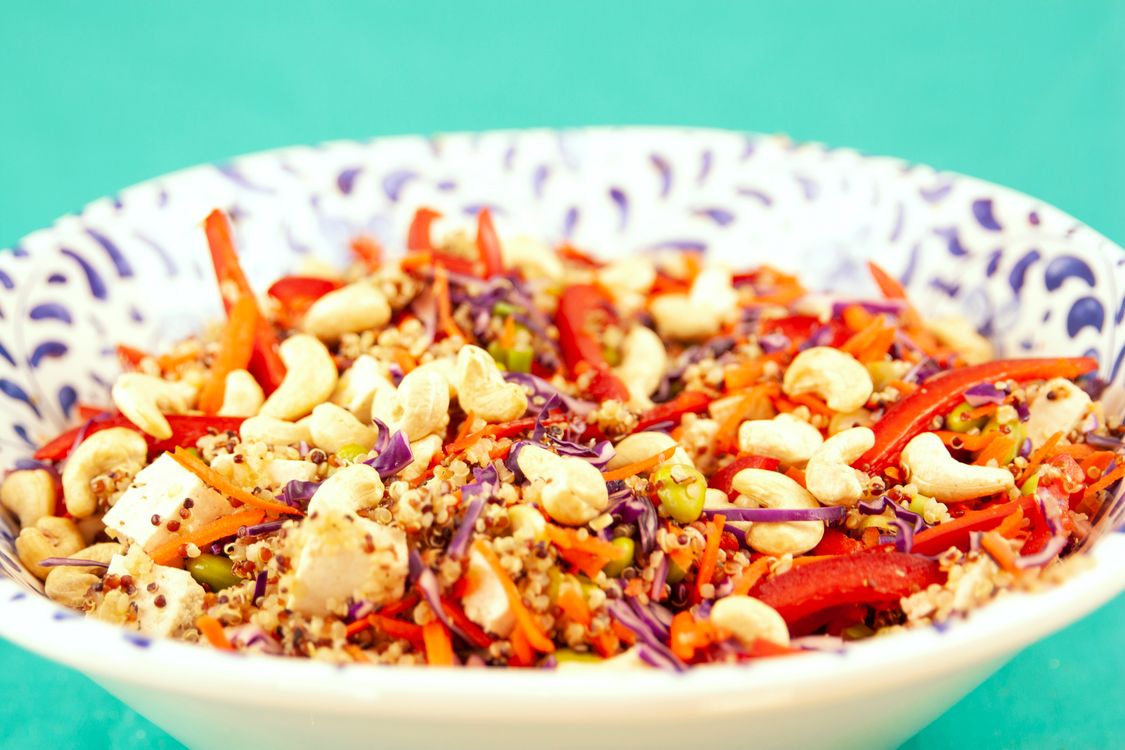
Photo: Pexels
The math nobody does before starting
Say you're doing 16:8 with a noon-to-8pm window, or you've pushed further into OMAD territory with one sitting a day. Either way, your body's daily requirements didn't shrink just because your clock did. If you weigh 170 pounds and want 0.8 to 1 gram of protein per pound, you're still on the hook for 135 to 170 grams of protein. If you need 30 grams of fiber, that's still 30 grams. The only thing that changed is how many hours you have to fit it in.
This is where most people fail, not because intermittent fasting doesn't work, but because they show up to their eating window with a burger and call it done. Then they wonder why they're tired at 3pm and constipated by Thursday.
Why "just eat protein" is bad advice
There's a popular myth that the body can only absorb 20 to 30 grams of protein per meal, so eating more than that in one sitting is "wasted." It isn't. Digestion doesn't have a ceiling like that — your gut absorbs nearly all the protein you eat, whether it's 30 grams or 100. The 20-to-40-gram range some guides cite is about maximizing muscle protein synthesis per sitting, not a hard absorption limit. If you're eating once or twice a day, you can and should eat well past that number in a single meal. A 60-gram-protein dinner is not being wasted by your digestive system.
So protein isn't actually the hard part of IF meal prep. It's fitting everything else around it without the meal turning into a brick in your stomach.
The fiber problem is the real challenge
Here's the thing nobody warns you about: cramming 25 to 38 grams of fiber into one or two meals is rough on digestion if you're not used to it. Spread across five meals, fiber is easy — a piece of fruit here, a serving of beans there. Compressed into a single 800-to-1200 calorie plate, that same fiber load can mean bloating, gas, and a stomach that feels like it's fighting you.
The fix isn't to skip fiber. It's to build it in gradually and split it across the two ends of your window if you're doing 16:8 rather than true OMAD. A breaking-fast meal heavy in cooked, lower-fiber vegetables (zucchini, spinach, cooked carrots) followed a few hours later by a fiber-denser plate (lentils, broccoli, berries) tends to sit better than loading all of it at once.
Building the actual plate
For a single large meal, aim for roughly 35% of your calories from protein sources like chicken thigh, salmon, or lean beef, another chunk from fat sources like olive oil, avocado, or nuts, and the rest from fiber-rich carbs like quinoa, sweet potato, or farro. Fat matters more here than in a normal five-meal day — it slows gastric emptying and is a big part of why one large meal can keep you satisfied for 16-plus hours instead of leaving you hunting for a snack at hour 3.
A meal that hits this looks like: 8 ounces of salmon, a cup and a half of cooked quinoa, a generous pour of olive oil over roasted vegetables, and a side salad with avocado. That's roughly 55 grams of protein, 20 grams of fat beyond what's in the salmon, and close to 12 grams of fiber — a third of your daily target in one plate.
Prepping for one big meal instead of five small ones
This is actually where IF makes meal prep easier, not harder. You're not portioning five separate containers a day — you're building one dense, deliberate plate. Batch-cook a protein (grilled chicken thighs, baked salmon, seared steak) and a starch (quinoa, farro, roasted potatoes) on Sunday, then assemble fresh vegetables and healthy fats day-of so they don't go soggy in the fridge. Pre-chopping vegetables and pre-portioning nuts or avocado into small containers cuts your actual cooking time down to reheating and assembly, which matters when your entire day's nutrition rides on getting this one meal right.
Keep sauces and dressings separate until you eat. A big plate that's been sitting dressed since Sunday is a soggy plate by Wednesday — and when this is your only meal, you want it to be one you actually look forward to.
For a single-meal day: protein at 0.8–1g per pound of bodyweight, fat around 30–35% of total calories, and fiber split across two smaller windows if you're not doing strict OMAD. Cooked, low-fiber vegetables early in the window; denser fiber sources (legumes, whole fruit) later.
The mistakes that derail people in week one
The most common one is breaking the fast with something fast and easy — a protein shake and a granola bar — and calling it the meal. That covers maybe 25 grams of protein and almost no fiber, leaving you to somehow make up the rest before the window closes. The second is going all-in on fat because it's "keto-friendly" and satiating, then wondering why digestion feels sluggish with almost no fiber in the mix. The third is undereating entirely: a single 500-calorie meal isn't a fast, it's just being hungry with extra steps, and it won't sustain training or focus.
None of this means intermittent fasting doesn't work. It means the meal you build inside that window needs to do the job of three or four normal meals, and that takes planning, not willpower.
Let Kenji build the math for you
Kenji sets your protein, fat, and fiber targets around your actual eating window, then builds meals and a prep plan that hit them without the guesswork.