Meal Planning
Meal Prep for One Without a Fridge Full of Leftovers
Cooking for one does not mean cooking a single portion every night. It means matching a batch to the meals you will actually eat, and deciding where the extra portions go before you cook. A small fridge plan and a deliberate freezer rotation can give you convenience without the same dinner for six nights.
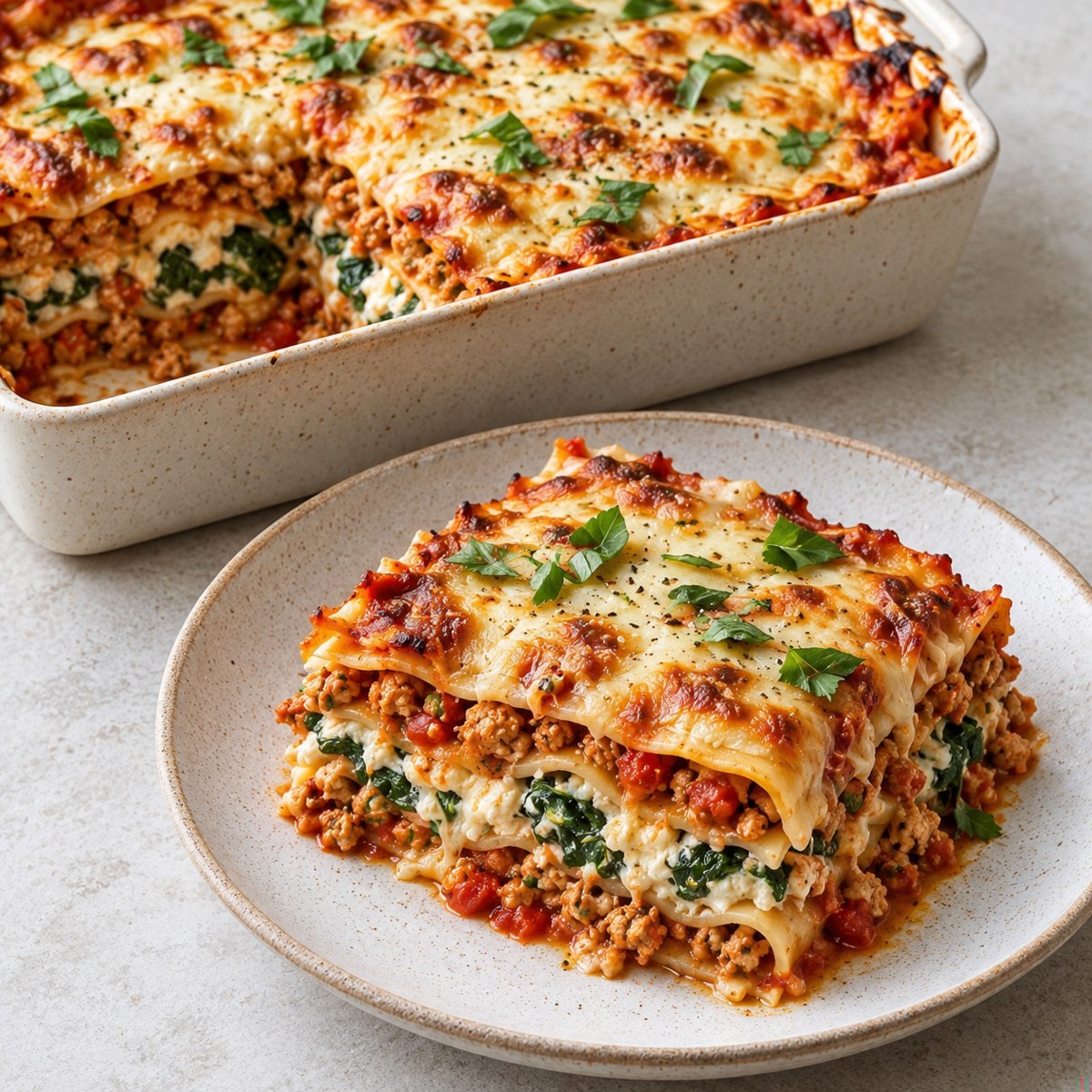
Turkey & Spinach Lasagne: a larger batch you can portion and freeze.
Count meal slots before choosing recipes
A recipe says four servings. Your calendar says dinner out on Wednesday, a late shift on Thursday and lunch with a friend on Friday. If you ignore the calendar, the batch produces leftovers you never planned to eat. Write down the lunches and dinners you actually need before making a shopping list.
For example, suppose you need four dinners at home and two packed lunches before the next shop. That is six meal slots, not fourteen. Reserve two for freezer portions you already own, two for a new two-serving recipe and two for a simple meal assembled from what remains. The exact numbers can change; the habit is to give every planned portion a destination.
Check the fridge, freezer and pantry first. The EPA recommends planning around food you already have and accounting for meals eaten elsewhere. Its home food-waste guide is a useful starting point. A grocery list should fill gaps in that plan, rather than start a second inventory.
Choose the batch size for the dish
A two-serving stir-fry is useful when you want tonight's dinner and tomorrow's lunch. A six-serving lasagne is useful when you want dinner and a freezer supply. Either can work for one person, but they solve different problems. A six-serving fresh salad is harder to justify when you only need two lunches and its ingredients will lose texture.
| Batch | Example | Plan the portions |
|---|---|---|
| Two servings | Air Fryer Chicken Thighs & Roasted Potatoes | Dinner plus next-day lunch |
| Four servings | Broccoli, Cheddar & Quinoa Bake | Two near-term meals; freeze two promptly |
| Six servings | Turkey & Spinach Lasagne | One or two near-term meals; freeze the rest promptly |
| Fresh assembly | Chickpea & Feta Smash Toast | Make the amount you will eat; plan another use for opened ingredients |
Do not shrink a recipe blindly. Halving ingredients does not halve cooking time. Smaller casseroles need an appropriately sized dish; grains still need their specified water ratio and sufficient liquid; meat needs a temperature check rather than a timer calculation. When scaling introduces awkward fractions of eggs or cans, a full batch with planned freezer portions may be simpler.
Give opened ingredients a second job
The waste problem often lives between recipes: half a bag of spinach, a spoonful of yogurt, or a can opened for one small serving. Pick the second use before shopping. That does not mean forcing every ingredient into every dish. It means choosing two meals with enough overlap to use the quantities you buy.
Here is a specific breakfast example using the new recipes. Cottage Cheese Egg Muffins use 300g cottage cheese and 100g spinach. Apple Cinnamon Protein Waffles use another 300g cottage cheese. Buying 600g in total gives that ingredient a complete plan. If your local packs are different, recalculate the shopping total or choose a smaller batch rather than assuming the pack will fit.
For the remaining spinach, choose a dinner that already needs it, or use a measured amount in a simple omelette while it is still within its storage window. Buy loose vegetables when that lets you get the quantity you need. Frozen vegetables can be easier for ingredients you use in small amounts: take out a portion and keep the rest frozen. Follow package directions and do not assume every opened product has the same shelf life.
Use a portion ledger, not a vague freezer pile
Label each freezer portion with the dish and cooking date. Keep a tiny list on your phone or freezer door: two lasagnes, one curry, two quinoa bakes. Cross a portion off when you take it out. The list is useful only if it reflects what is actually there.
Before making a new batch, schedule at least one older portion into the coming week. Otherwise the freezer becomes a place to postpone waste. You can rotate three different dishes without cooking all three every Sunday: make one new batch, eat one portion from it and use an older frozen meal on another night.
Monday dinner: new lasagne. Tuesday lunch: a second lasagne portion. Wednesday dinner: an older frozen curry. Thursday lunch: freshly assembled chickpea toast. Friday dinner: a freezer quinoa bake. Saturday dinner: a simple meal using vegetables already opened. Freeze the four remaining lasagne portions promptly on cooking day, rather than waiting until the end of the week.
Separate the storage decision from the eating decision
Do not leave an entire batch in the fridge while deciding whether you want it later. Portion it into shallow containers and chill promptly. USDA guidance is to refrigerate perishable leftovers within two hours, keep the fridge at 4°C / 40°F or below, and use most cooked leftovers within three to four days. Freeze the portions destined for later meals early. Recipe-specific instructions or product labels may set shorter limits.
Thaw frozen meals in the fridge, and reheat leftovers to 74°C / 165°F throughout. Freezing does not make food safe after it has been held improperly. For packing and texture details, use our existing freezer guide; for refrigerator limits, see how long meal prep lasts. Rice dishes have specific handling needs, covered in the rice safety article.
Review the thing you actually threw away
After the week, note what went unused and why. If fresh herbs keep wilting, choose one herb for two recipes or use a suitable dried version. If cooked lunches remain untouched, reduce the number of lunch slots next time. If every batch feels repetitive, freeze more portions immediately and cook smaller fresh meals between them.
That small review makes the next plan more accurate. You do not need an elaborate spreadsheet: meals needed, ingredients already owned, portions to freeze and one lesson from last week are enough to start.
Sources and further reading
EPA: Preventing Wasted Food at Home supports the inventory and shopping approach. USDA: Leftovers and Food Safety supports the storage temperatures and timings. The portion ledger, sample schedule and recipe combinations are planning examples, not a prescribed diet.
Put your next meals in a plan
Explore Kenji's recipe collection and build a meal plan around your goals, budget and schedule.
Get Kenji Meals